
floor mirror with lights
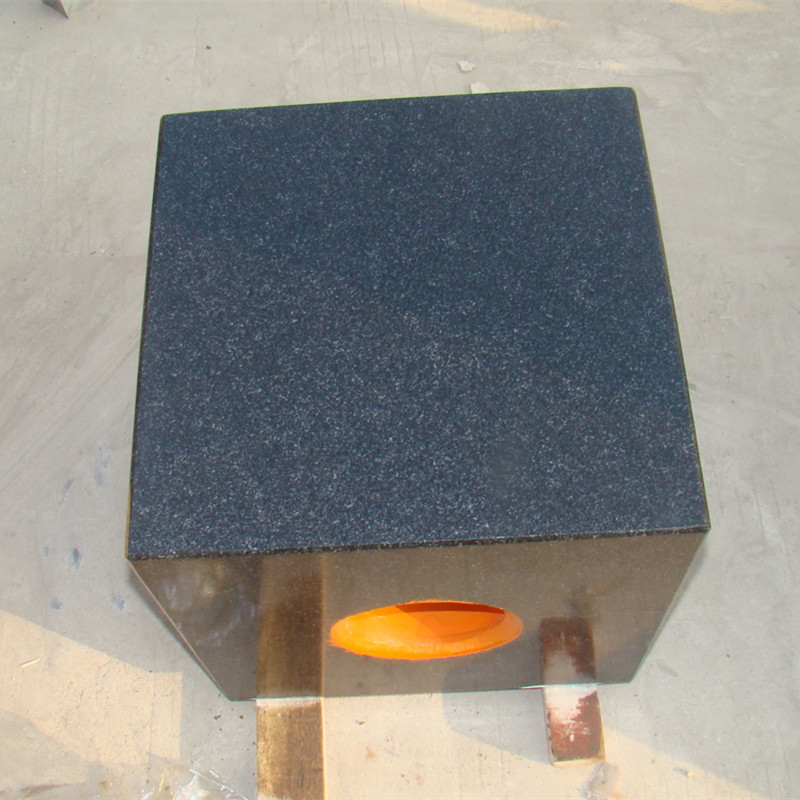
In today's world, where precision and accuracy are crucial in various industries, the use of granite inspection tables and granite surface plates has become increasingly popular. These tools offer unparalleled precision and reliability, making them indispensable in industries such as manufacturing, construction, and laboratories. From ensuring parts meet strict tolerances to serving as stable bases for measurement tools, granite inspection table , granite surface plate for sale , and surface plate play vital roles in maintaining quality standards. In this article, we will explore their key features, applications, maintenance, and frequently asked questions, providing a comprehensive guide to these essential precision tools. Key Features of Granite Inspection Table in Precision Measurement Granite inspection table stands as a cornerstone of precision measurement, valued for its unique material properties that make it ideal for high-accuracy tasks. Crafted from high-quality granite—often black granite or gray granite—these tables are engineered to deliver exceptional flatness, stability, and durability, setting them apart from other surface options. One of the defining features of a granite inspection table is its superior flatness. Granite, formed over millions of years, has a dense, homogeneous structure that resists warping or deformation, even under temperature changes or heavy loads. This stability ensures that measurements taken on the table are consistent, as the surface remains true over time. Additionally, granite is non-magnetic, non-conductive, and resistant to corrosion, making it suitable for use with sensitive instruments like dial gauges, micrometers, or coordinate measuring machines that could be affected by magnetic interference. Granite inspection table also boasts low porosity, which means it resists absorption of liquids or oils—critical for maintaining a clean surface free from stains or contamination. Its smooth, polished finish minimizes friction, allowing tools to glide easily during measurements without scratching the surface. These features combined make granite inspection table an essential tool in metrology labs, manufacturing facilities, and quality control departments where precision is non-negotiable. Why Granite Surface Plate for Sale is a Top Choice for Industries Granite surface plate for sale has become a preferred option for industries seeking reliable, high-performance surface solutions for inspection, tool setup, and manufacturing processes. These plates, available for purchase in various sizes and specifications, cater to diverse industrial needs while upholding the quality standards that granite is known for. One of the primary reasons granite surface plate for sale is in high demand is its adaptability to different applications. Whether for small-scale workshops or large manufacturing plants, suppliers offer plates in sizes ranging from compact bench top models to large floor-mounted units, ensuring there’s a fit for every workspace. Many granite surface plate for sale options also come with customization features, such as drilled holes for fixture mounting or specialized finishes for specific measurement tasks, enhancing their versatility. Beyond availability, granite surface plate for sale delivers long-term value due to granite’s inherent durability. Unlike metal or wooden surfaces that may wear, dent, or warp over time, granite surface plates resist wear from repeated use, maintaining their flatness and precision for years. This longevity reduces replacement costs, making them a cost-effective investment for businesses. For industries like aerospace, automotive, and engineering, where consistent quality control is critical, granite surface plate for sale provides the reliability needed to meet strict regulatory and operational standards. The Versatile Applications of Surface Plate Across Sectors Surface plate is a versatile tool with applications spanning multiple industries, serving as a reference surface for precision measurement, inspection, and tool calibration. While granite is a common material for surface plates, the term encompasses all flat, stable surfaces designed to ensure accuracy in various tasks, making it indispensable across sectors. In manufacturing, surface plate is used to inspect parts for dimensional accuracy. Workers place components on the plate and use tools like height gauges or dial indicators to measure deviations from specifications, ensuring parts fit together correctly in final assemblies. In toolrooms, surface plate serves as a stable base for setting up machinery, such as lathes or milling machines, ensuring tools are aligned precisely to avoid errors in production. Aerospace and defense industries rely heavily on surface plate for inspecting critical components like engine parts or aircraft fittings, where even minor discrepancies can compromise safety. Metrology labs use high-precision surface plates as reference standards for calibrating measuring instruments, ensuring that tools themselves are accurate. Beyond industrial settings, surface plate finds use in educational institutions for training students in precision measurement techniques, highlighting its role in fostering skills for future engineers and technicians. Its adaptability to diverse tasks solidifies surface plate as a foundational tool in any field requiring accuracy. How to Maintain and Care for Granite Inspection Table for Longevity Proper maintenance is key to preserving the precision and lifespan of a granite inspection table . While granite is durable, neglect can lead to scratches, stains, or loss of flatness, compromising its effectiveness. By following these simple care practices, users can ensure their granite inspection table remains reliable for years: Regular Cleaning : Wipe the surface daily with a soft, lint-free cloth to remove dust, debris, or fingerprints. For tougher stains, use a mild detergent mixed with water, applied with a non-abrasive sponge. Avoid harsh chemicals (e.g., acids, solvents) that can etch or discolor the granite. Avoid Impact and Abrasion : Prevent dropping heavy objects or using sharp tools directly on the table, as this can cause chips or scratches. Use protective pads or mats when placing heavy components or tools. Control Environment : Store the granite inspection table in a temperature-stable area, away from direct sunlight, heaters, or air conditioners. Extreme temperature changes can cause minor expansion or contraction, affecting flatness over time. Periodic Calibration : Even with careful use, have the table’s flatness checked periodically by a professional. Calibration ensures that any minor deviations are identified and corrected, maintaining measurement accuracy. Cover When Not in Use : Use a dust cover or sheet when the table is not in use to protect it from dust, spills, or accidental damage. By incorporating these practices into regular maintenance routines, users can maximize the longevity and performance of their granite inspection table , ensuring it remains a trusted tool for precision measurement. FAQS a bout Granite Inspection Table, Granite Surface Plate for Sale, and Surface Plate What makes granite inspection table superior to metal surface tables for precision work? Granite inspection table outperforms metal tables due to granite’s inherent properties: it has low thermal expansion, meaning it remains stable across temperature changes, ensuring consistent measurements. Granite is also non-magnetic and non-conductive, avoiding interference with sensitive instruments. Its dense structure resists wear and scratches better than metal, maintaining flatness over time—critical for high-precision tasks where accuracy is paramount. How do I choose the right size when considering granite surface plate for sale? When selecting granite surface plate for sale , consider the size of the parts or tools you’ll inspect. A plate should be large enough to accommodate your largest component with room to maneuver measuring tools. For small parts, a benchtop plate may suffice; for large industrial components, opt for floor-mounted plates. Suppliers often offer custom sizes, so match the plate to your specific workflow needs. Can surface plate be made from materials other than granite, and how do they compare? Yes, surface plate can be made from cast iron or glass, but granite is preferred for most industrial uses. Cast iron plates are durable but prone to rust and magnetic interference. Glass plates offer good flatness but are fragile and less resistant to impact. Granite balances durability, stability, and non-reactivity, making it the top choice for applications requiring long-term precision and reliability. How often should a granite inspection table be calibrated to ensure accuracy? A granite inspection table should be calibrated at least once a year under normal use. For tables in heavy-use industrial settings or harsh environments, calibration every 6 months is recommended. Calibration checks for flatness deviations using precision instruments, ensuring the table meets original specifications. Regular calibration prevents measurement errors that could lead to faulty part inspections. Are granite surface plate for sale suitable for outdoor use or humid environments? Granite surface plate for sale is not ideal for outdoor use or extremely humid environments. While granite resists moisture, prolonged exposure to rain, snow, or high humidity can lead to mold growth or staining. Additionally, outdoor temperature fluctuations may affect flatness over time. These plates perform best indoors in climate-controlled spaces, where environmental conditions remain stable—ensuring their precision and longevity. Don’t compromise on precision—choose the reliability of our granite products. Contact us today to schedule a visit and experience the quality that makes us a trusted partner in precision measurement. Your success in quality control starts with the right tools, and we’re here to deliver.
about
floor mirror with lights
The Marble Ruler A Unique Tool for Measurement and Creativity In the world of art and design, the tools we use can significantly influence the outcomes of our creative endeavors. Among these tools, something as simple as a ruler can become a source of inspiration and innovation. Enter the marble ruler—a fascinating blend of functionality and aesthetic charm. This unique device not only serves a practical purpose in measurement but also embodies a playful and artistic spirit that captivates the imagination. The Concept of Marble Rulers A marble ruler is typically made from pieces of polished marble, showcasing the natural beauty of the stone while providing a durable and reliable measuring instrument. Marble, known for its elegance and variety, presents an assortment of colors and patterns, making each ruler a unique work of art. Unlike traditional wooden or plastic rulers, a marble ruler is not only a tool but also a statement piece that stands out on any desk or workspace. The concept of a marble ruler extends beyond mere measurement. It embodies the idea of merging utility with beauty. Artists, architects, and designers often seek tools that inspire as much as they facilitate. A marble ruler brings an element of luxury and sophistication into everyday tasks, making the act of measuring feel special. Practical Applications In practical terms, a marble ruler is as functional as any conventional ruler. It typically features a straight edge, allowing for precise lines and accurate measurements. The weight of the marble provides stability, ensuring that the ruler doesn’t slide around during use. This stability is particularly useful when working on detailed drawings or intricate designs. Artists favor marble rulers for their ability to create clean, straight edges while adding a tactile dimension to their work. Architects, too, appreciate the precision it offers . The solid material resists bending and warping, which ensures that whether measuring in centimeters or inches, the results remain accurate. marble ruler Moreover, marble rulers can be customized. Some artisans engrave or paint them, enhancing their aesthetic appeal while retaining functionality. This customization opens the door to personal expression, allowing users to incorporate their style into their workspace. Inspiration and Creativity Beyond practical applications, the mere presence of a marble ruler can inspire creativity. Its beauty can evoke a sense of artistry that encourages individuals to explore their creative potentials. The juxtaposition of a traditional measurement tool made from a luxurious material challenges the notion of what a ruler can be. Using a marble ruler might inspire an artist to create a new series of abstract paintings or motivate a designer to explore new architectural concepts that incorporate natural materials. As creativity often flourishes in environments that inspire, having a piece like a marble ruler can have a profound impact on an individual’s work. Conclusion In conclusion, the marble ruler is more than just a measuring device; it is a reminder of the beauty that can exist in everyday objects. It successfully combines functionality with artistic elegance, proving that even the simplest of tools can fuel creativity and innovation. By introducing a marble ruler into one’s workspace, individuals not only enhance their measurement capabilities but also enrich their creative environment. As we continue to seek inspiration in both our daily tasks and artistic pursuits, the marble ruler serves as a gleaming example of how art and utility can beautifully intersect, encouraging us to measure our ideas in style. Whether you are an artist seeking inspiration or a student gearing up for a project, consider the impact that a marble ruler might have on your work. The next time you reach for a ruler, remember that it doesn’t have to be purely functional; it can also be a source of beauty and creativity in your life.
-

High quality industrial productsagement

High quality industrial products
View Details -

Meet the diverse needs of customers

Meet the diverse needs of customers
View Details -

Strict quality control

Strict quality control
View Details -

Top raw materials

Top raw materials
View Details -

Trusted supplier

Trusted supplier
View Details
Our application


news and information
welding table price
Understanding Welding Table Prices A Comprehensive Guide Welding is a vital process in various indus

welding table 4x8
Welding Table 4x8 A Vital Tool for Every Welder In the world of metalworking, a sturdy and functiona

Versatile Thread Measurement Tool for Accurate Adjustable Gauge Specifications
Understanding Adjustable Thread Gauges An Essential Tool in Precision Engineering In the realm of pr
 English